Cargando · Loading
Multi-Radio Backbone
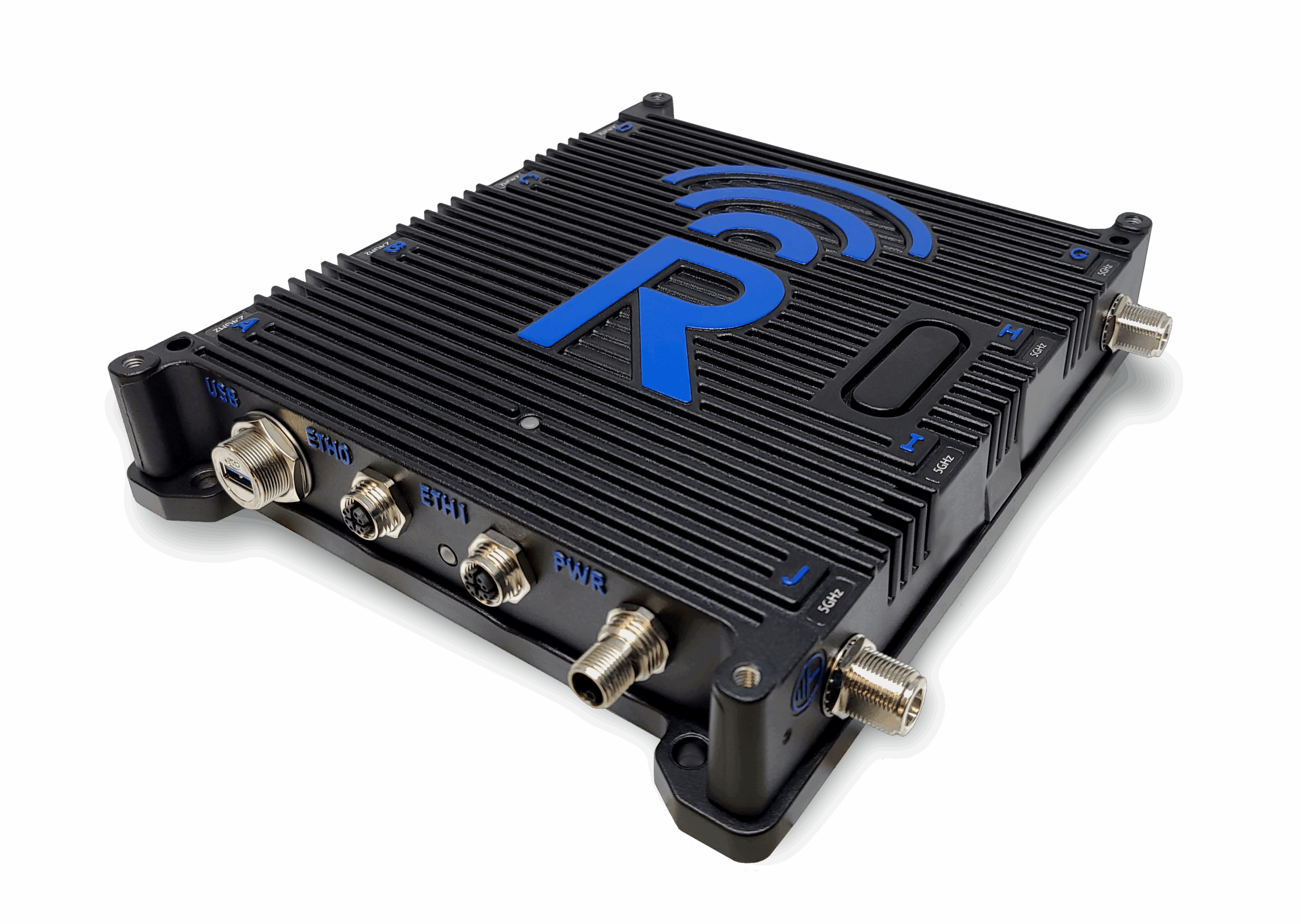
5 modelsThe Peregrine series and the LX5 platform: three- and four-radio nodes with Wi-Fi 6, LTE, and licensed-spectrum variants forming the mesh backbone in large-scale operations.
Manufacturer · EE.UU.
ActiveMobile mesh networks for extreme industrial environments
// About the brand
Mobile mesh networks for extreme industrial environments
Applied in sectors
Rajant Corporation invented the concept of Kinetic Mesh: a wireless network where all nodes are mobile and maintain connectivity with each other without any central controller. Unlike standard industrial Wi-Fi or TETRA, a Rajant network has no single point of failure: if a node fails, moves out of range, or is blocked by interference, traffic automatically reroutes in milliseconds through the next available path. This property makes it the only technology capable of following heavy mobile equipment — haul trucks, locomotives, cranes — while maintaining continuous IP connectivity.
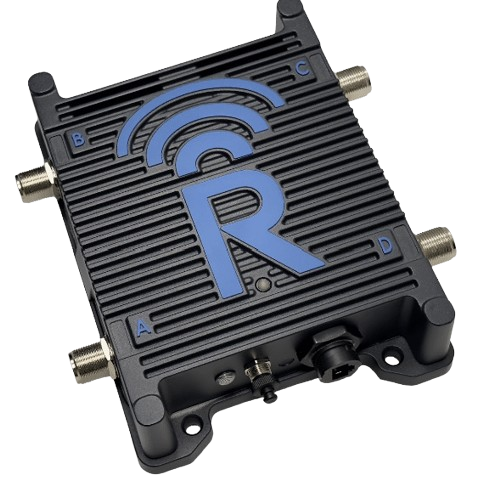
BreadCrumb nodes cover all industrial scenarios. The BreadCrumb LX5 is a 5-simultaneous-interface multi-radio node (900 MHz, 2.4 GHz, 4.9 GHz, 5.8 GHz, and UHF) with aggregate throughput exceeding 1.2 Gbps, IP67 certification, and an operating range of -40°C to +70°C — ideal for surface installations in mining and ports. The compact BreadCrumb ES1 for vehicle mounting connects each autonomous haul truck to the fleet network with minimal power consumption. The BreadCrumb DX4, ATEX-certified for potentially explosive zones, installs on underground gallery ceilings and processing plant environments.
Portfolio products
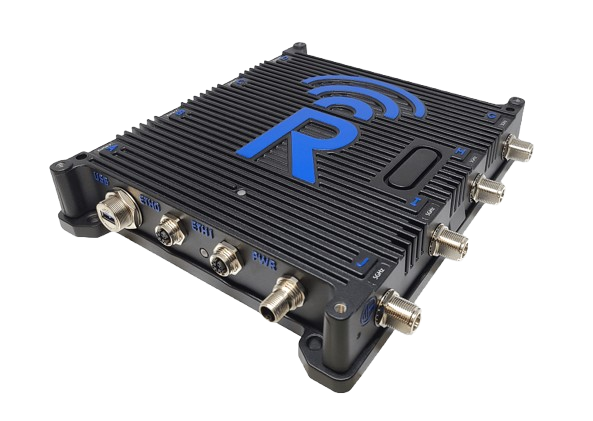
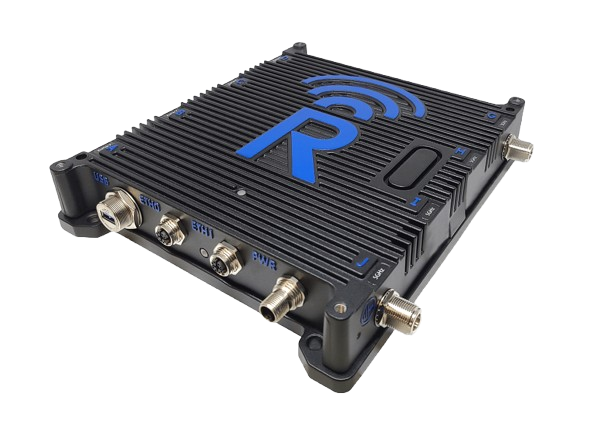
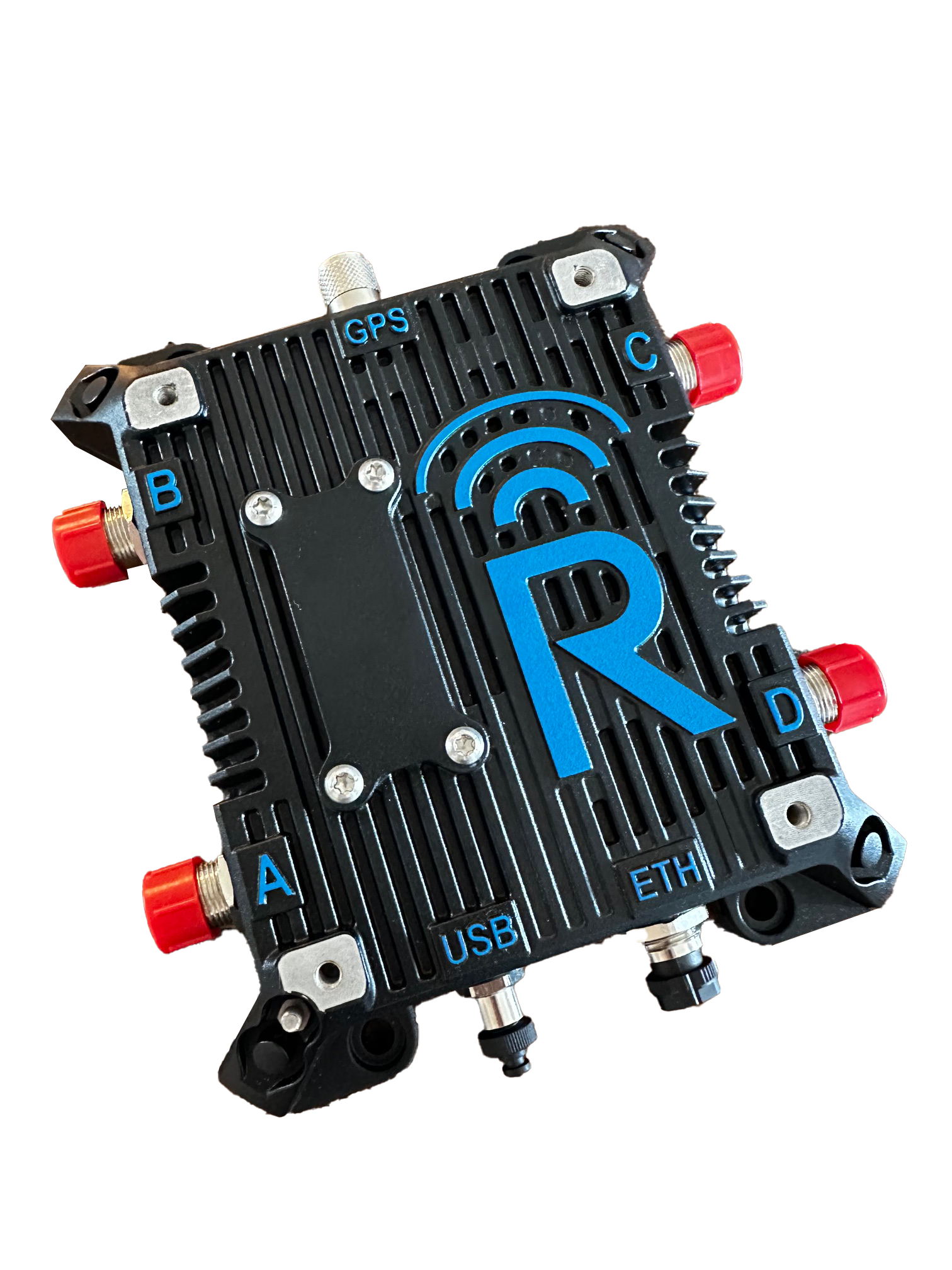
The Peregrine series and the LX5 platform: three- and four-radio nodes with Wi-Fi 6, LTE, and licensed-spectrum variants forming the mesh backbone in large-scale operations.
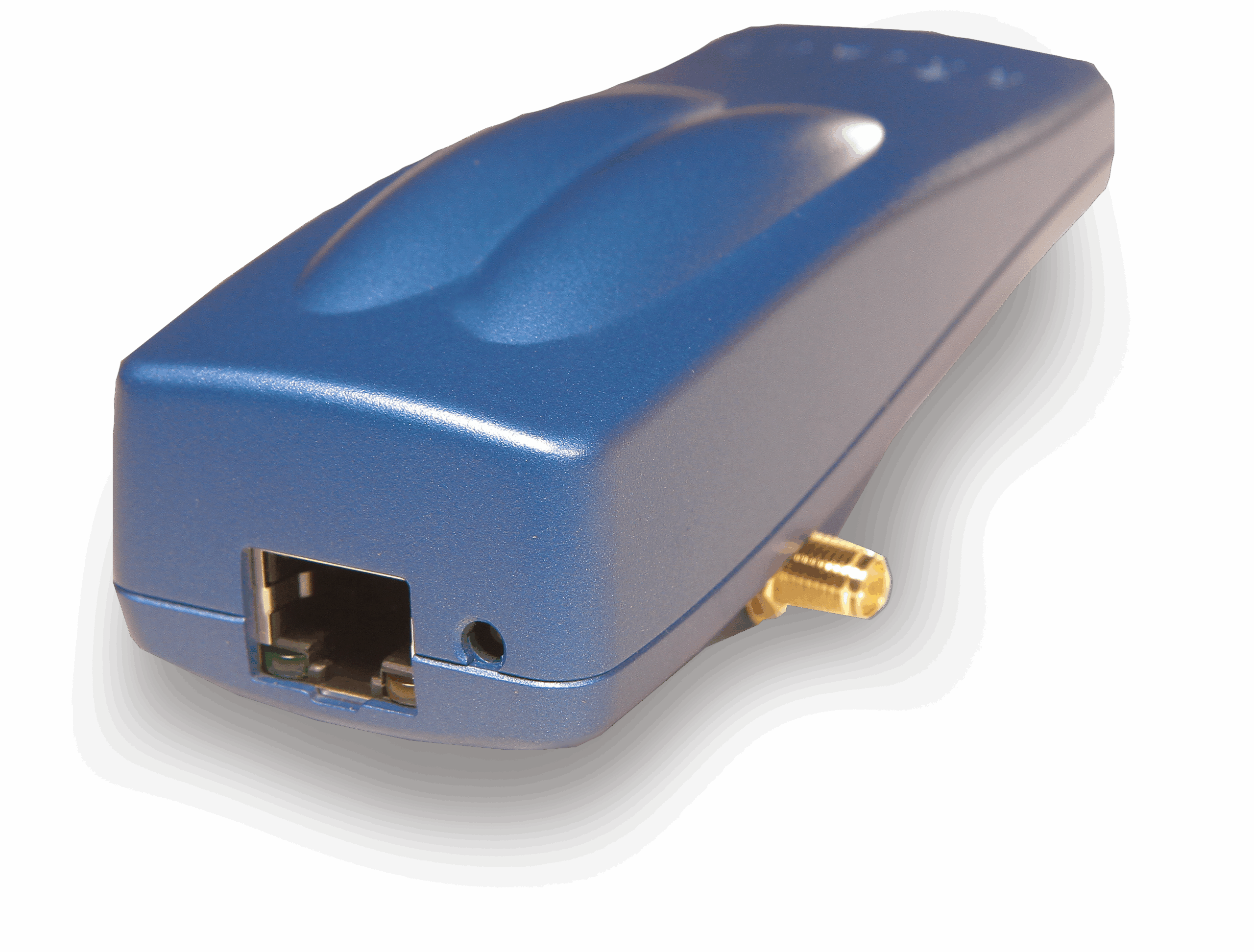
View products →Ruggedized BreadCrumbs for fleets, heavy equipment, and field installations: Hawk, Condor, DX, ES1, Onyx, and the 900 MHz Argon node, including the hybrid mesh + 5G variant.
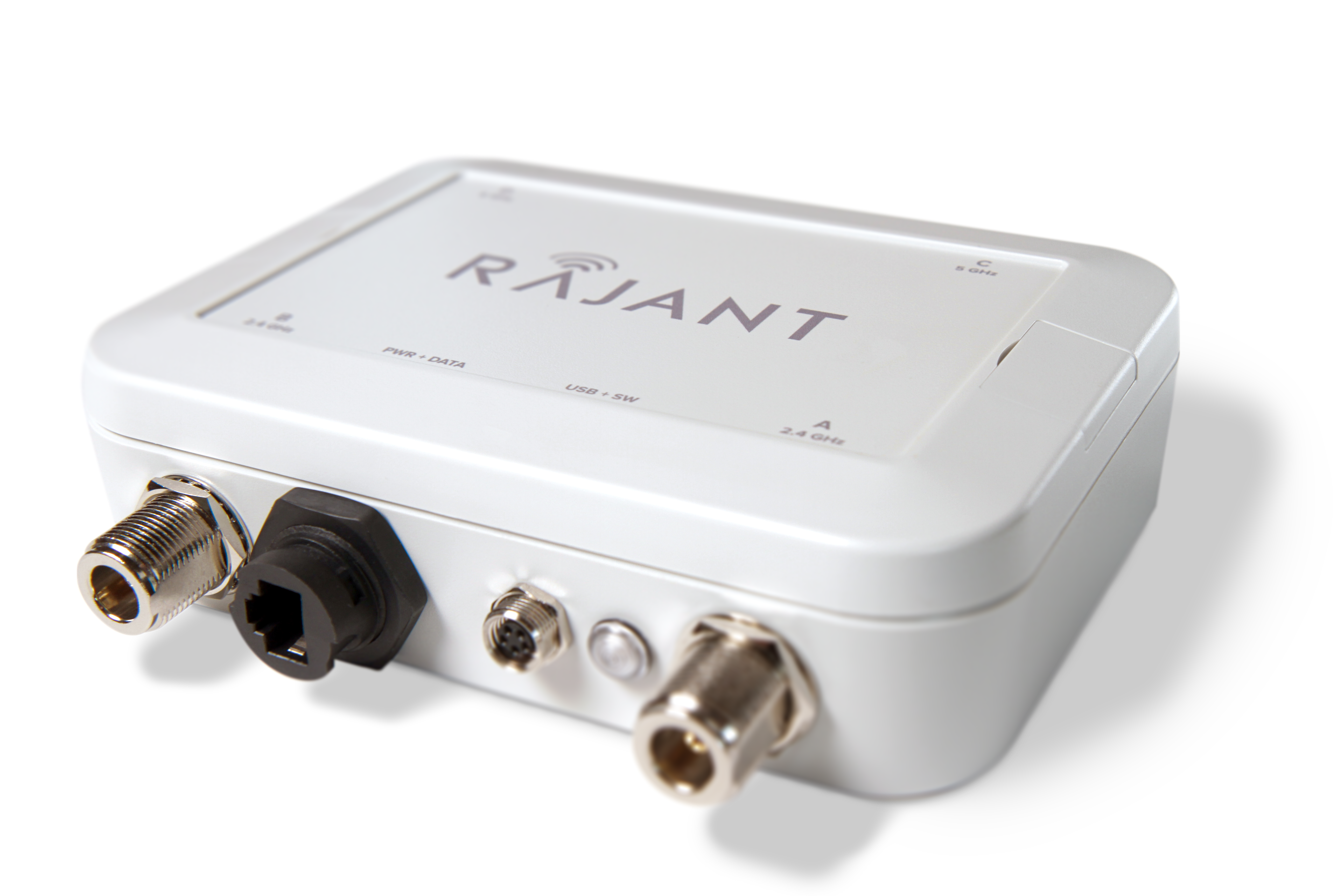
View products →From the credit-card-sized Cardinal to the 47-gram Finch: nodes for OEM integration into drones, robots, sensors, and wearable systems, with vibration-hardened variants.
Value proposition by sector
Prioritizing sectors of vertical Defense
Use cases
Comparative technical analysis between MANET networks (TrellisWare TSM-X) and Rajant's Kinetic Mesh architecture. When to use each technology, performance metrics, and use cases in tactical and industrial operations in Peru.
Comprehensive technical guide to Rajant's BreadCrumb family for defense operations: InstaMesh architecture, ATAK integration, LynX roles in dismounted operations, island mode for jungle and highlands, and EAR acquisition considerations for Peru.
Our team can prepare a technical proposal tailored to your operational requirements.
Peru is the world's second largest producer of copper and zinc, with operations at operaciones mineras de gran tonelaje en altura, and dozens of smaller units. Productivity in a modern mine depends on fleet telemetry (Wenco, Modular Mining), autonomous haul truck dispatch, GPS-guided drilling, and real-time seismic monitoring — all systems requiring reliable connectivity where conventional radio fails: 5+ km underground galleries, ramps with blind curves, and 500 m deep open pits with signal blocked by rock walls.
Rajant Kinetic Mesh is the only technology that can follow an autonomous haul truck from the loading point at the bottom of a pit to the surface dump, maintaining latency below 30 ms for dispatch systems. In underground mining, ceiling-mounted nodes create a self-healing network resilient to vibration, dust, and hardware failures. Compliant with DS 024-2016-EM (Mining Occupational Safety and Health Regulations) and OSINERGMIN requirements for underground mining communications, Rajant meets the redundancy and availability standards required for Class A installations.
Beyond mining, Rajant applies to automated ports (Callao, Paita, Matarani) for RTG crane and AGV connectivity, copper processing plants for process telemetry, offshore O&G operations on Peru's north coast for ATEX Zone 1 communications, and long-distance conveyor belt infrastructure where fiber installation is impractical.
The Peregrine series and the LX5 platform: three- and four-radio nodes with Wi-Fi 6, LTE, and licensed-spectrum variants forming the mesh backbone in large-scale operations.
Wi-Fi 6 (802.11ax) quad-radio flagship node delivering up to 3.5 Gbps with 1024-QAM, designed for LiDAR, video processing, robotics, and ML applications at the edge.
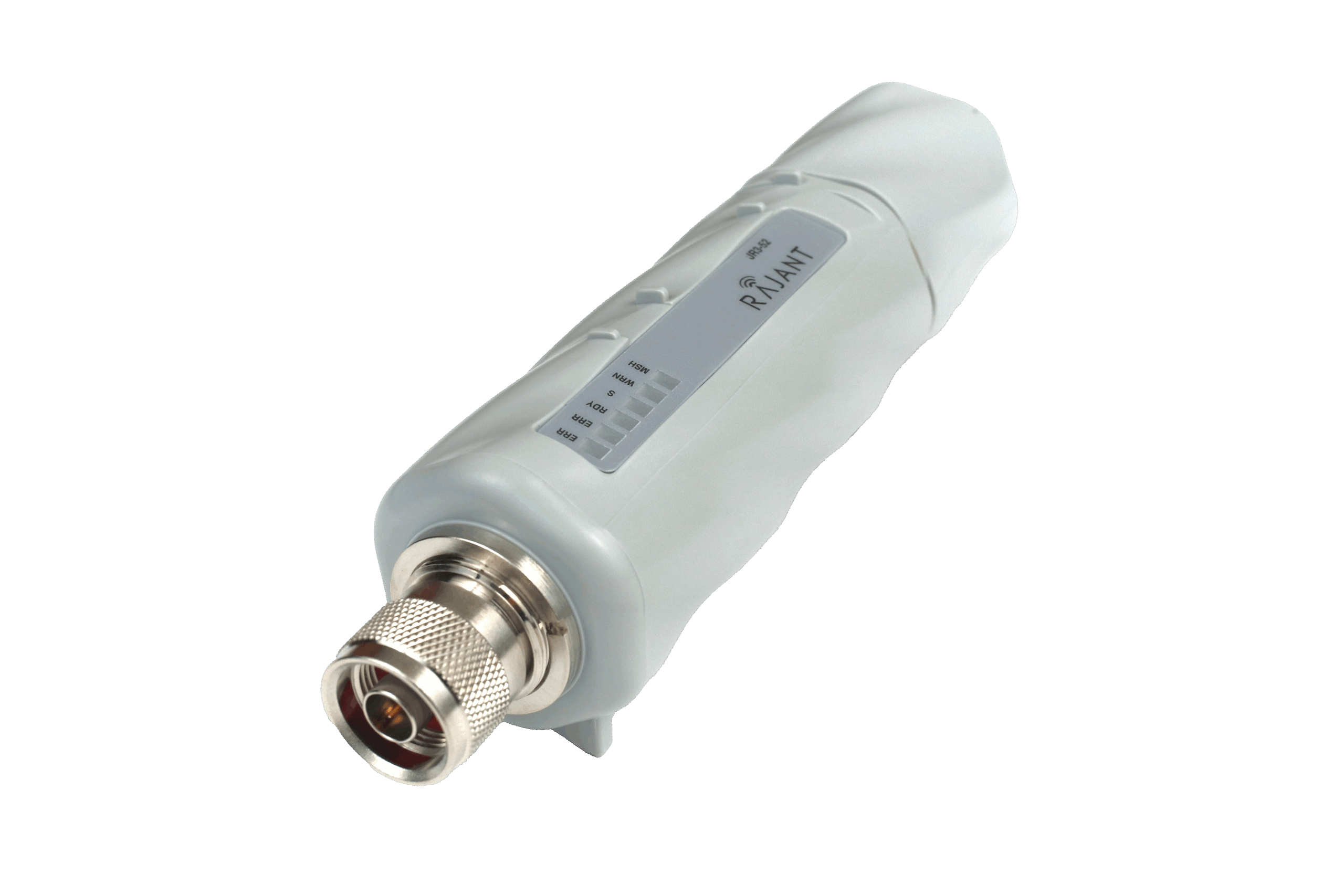
Ruggedized BreadCrumbs for fleets, heavy equipment, and field installations: Hawk, Condor, DX, ES1, Onyx, and the 900 MHz Argon node, including the hybrid mesh + 5G variant.
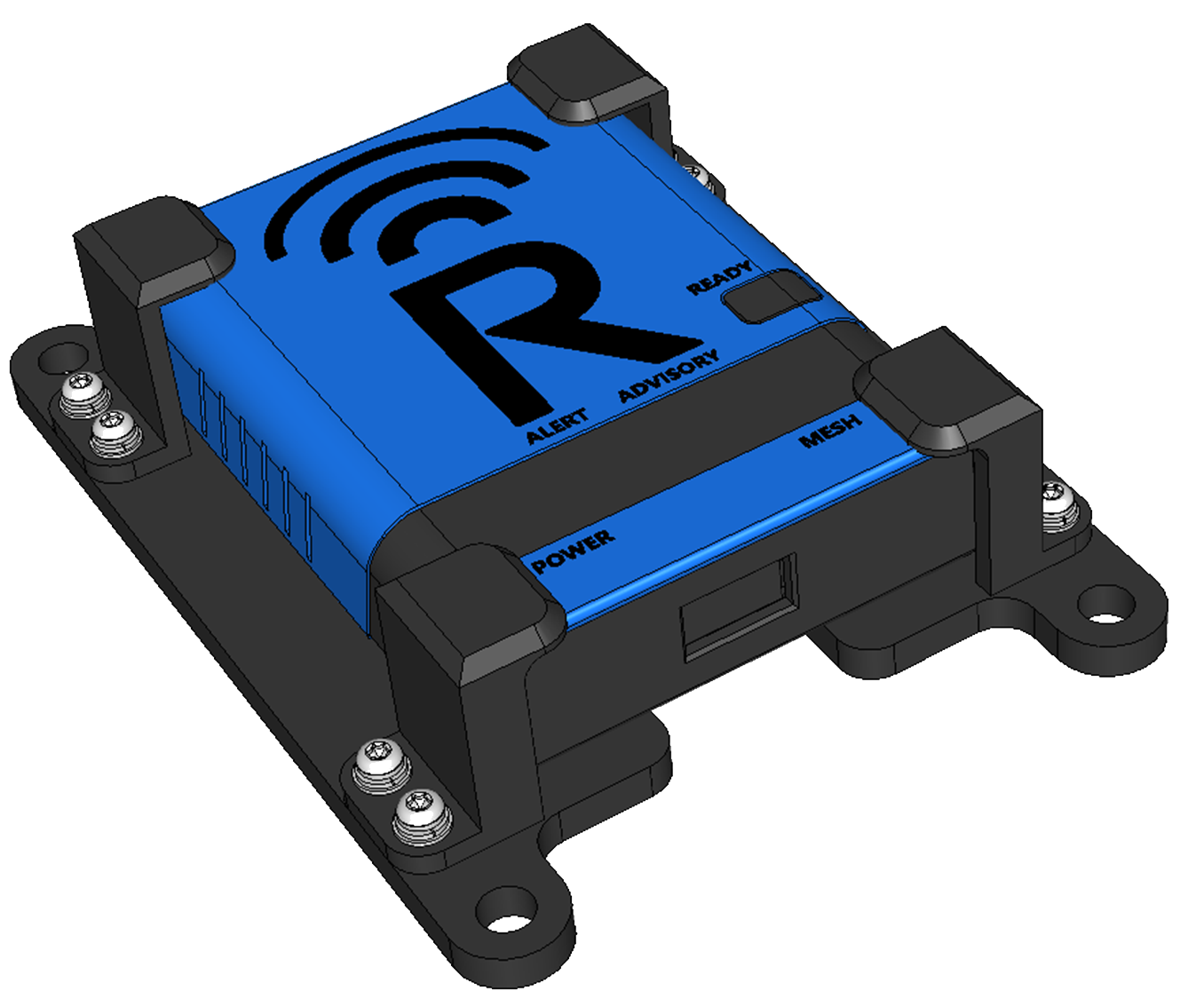
Modernized 900 MHz telemetry module designed as drop-in replacement for legacy industrial radios in oil & gas and utility infrastructure.
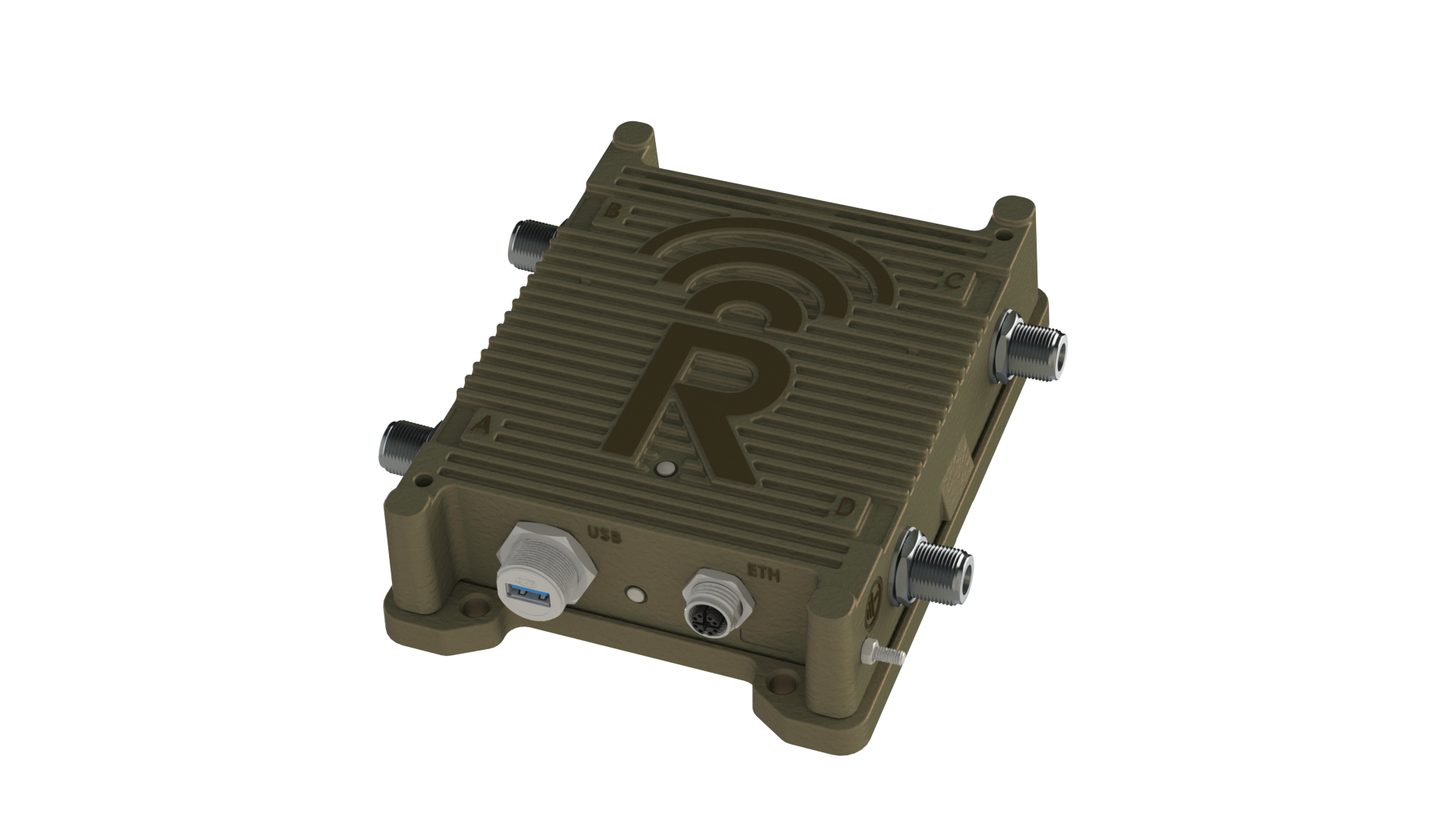
Military-grade mesh networking node for bridging communication gaps among vehicles, personnel, and unmanned ground systems (UGVs), delivering up to 1.7 Gbps.
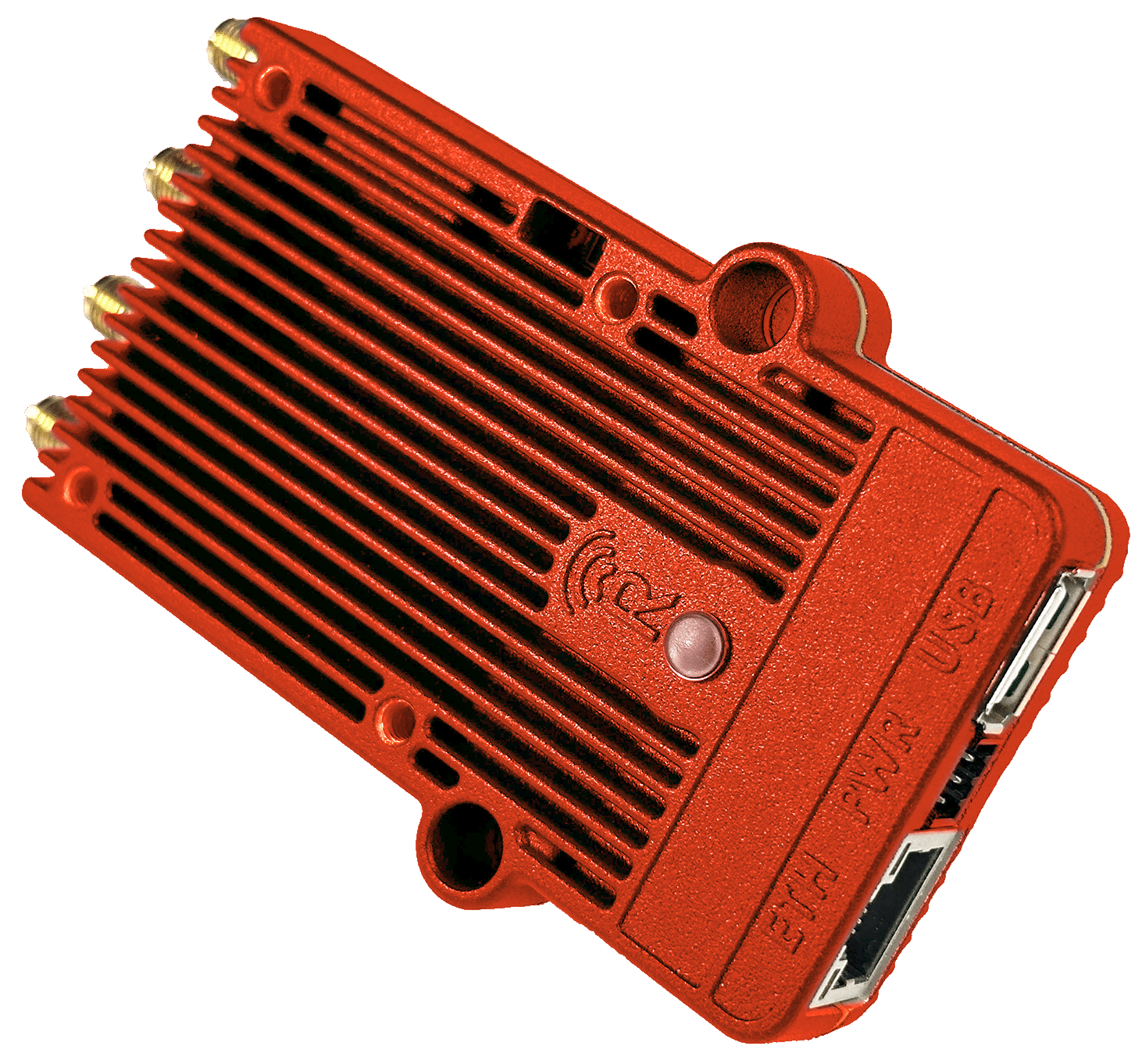
From the credit-card-sized Cardinal to the 47-gram Finch: nodes for OEM integration into drones, robots, sensors, and wearable systems, with vibration-hardened variants.
Cowbell for distributed edge compute, plus the NeedleTail and SlipStream gateways connecting wired infrastructure to the Kinetic Mesh at high throughput.
InstaMesh, the dynamic routing protocol running on every BreadCrumb, and BC|Commander, the management and monitoring suite for the entire mesh.
The networking protocol that defines Kinetic Mesh: reroutes traffic in real time by dynamically choosing the fastest, most reliable path among all available links, with no controller node and no motion-induced interruptions.
Management and monitoring suite for BreadCrumb networks: real-time topology visualization, per-node status and metrics, centralized configuration, firmware updates, and security administration across the entire mesh.
Ultra-light dual-band (2.4/5 GHz) mesh node engineered for edge devices, body-worn setups, and equipment-mounted applications where compact form and reliability are critical.
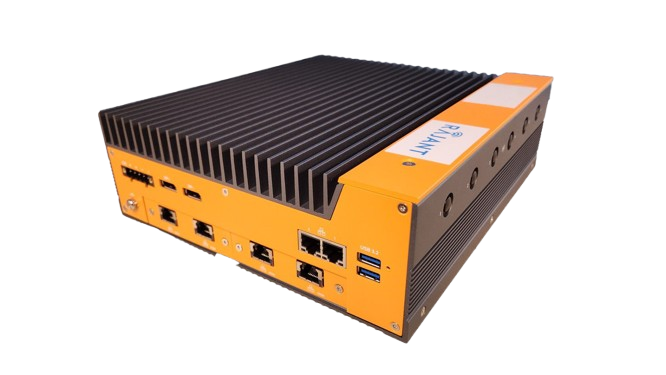
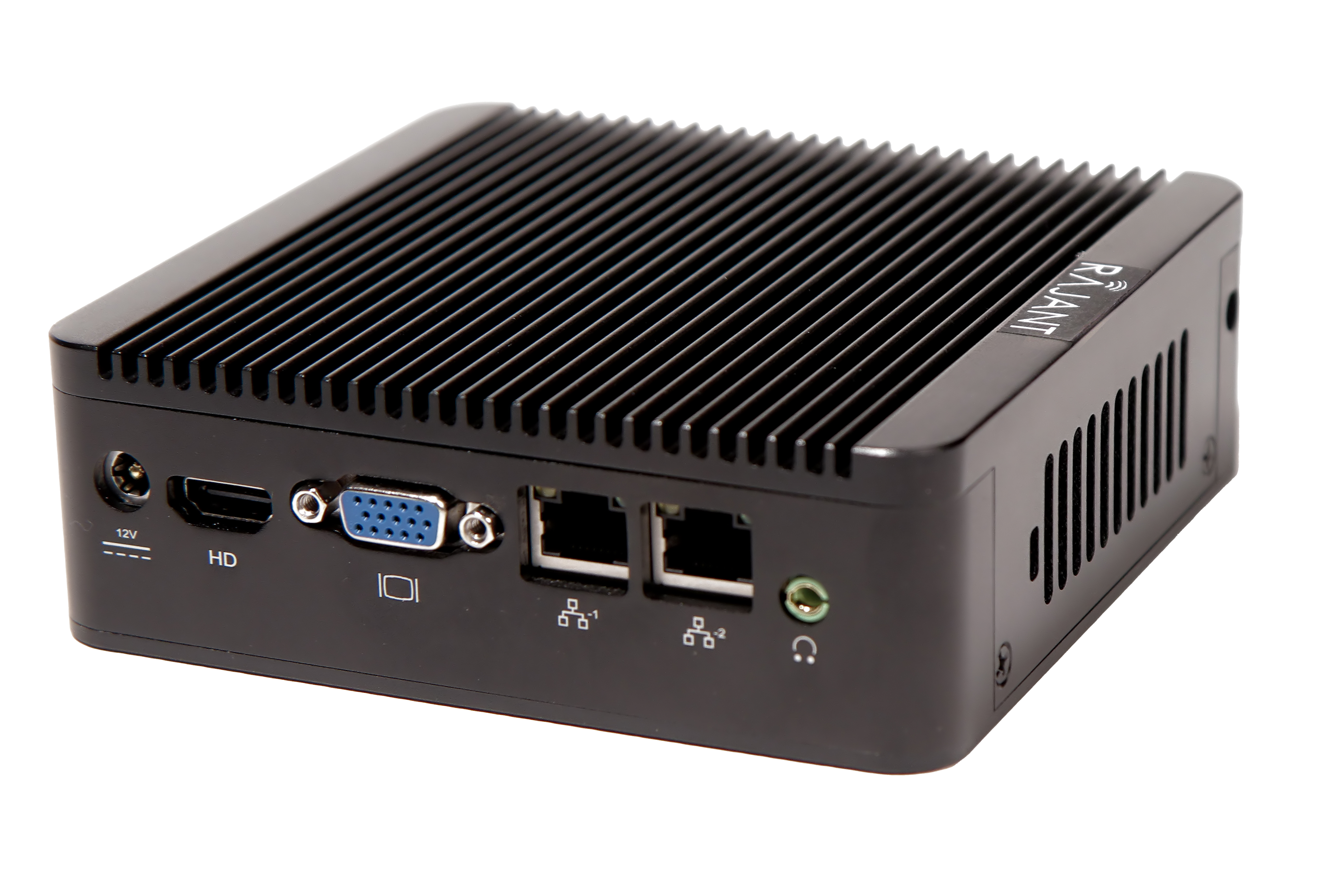
Ultra-high-throughput mesh gateway: all the functionality of a BreadCrumb without radios, with two 2.5 GbE and four 10 GbE ports to eliminate bottlenecks at the wired-LAN-to-Kinetic-Mesh boundary.